Fred and Loathing on The Internet
Welcome to the public web log of Fred Lambuth

This is the blog! I talk about books, video games, movies and podcasts of all types. It's not much, but it's honest work.
Topics
Archives
Richard Stark Naked Noir
2026-Mar-28
The threat of a self-imposed deadline has crept upon us again. Earlier in the month I was flush with ideas for blog posts. New games, new books, new TV series. So many new pieces of media to talk about, with the trademark sloppy panache this blog is known for. Even with such a wide plethora of blogworthy items to choose from, none can overcome good ol’ fashioned procrastination. Procrastination is a specialty among the staff at fredlambuth.com. And this “at least one blog post a month” is not a rule written on a stone tablet handed down from the gods. It’s just some thought I had when I was writing the front-end stuff for the blog navigation menu. Anyway, here’s a blog post squeezed into the last few days of the month.
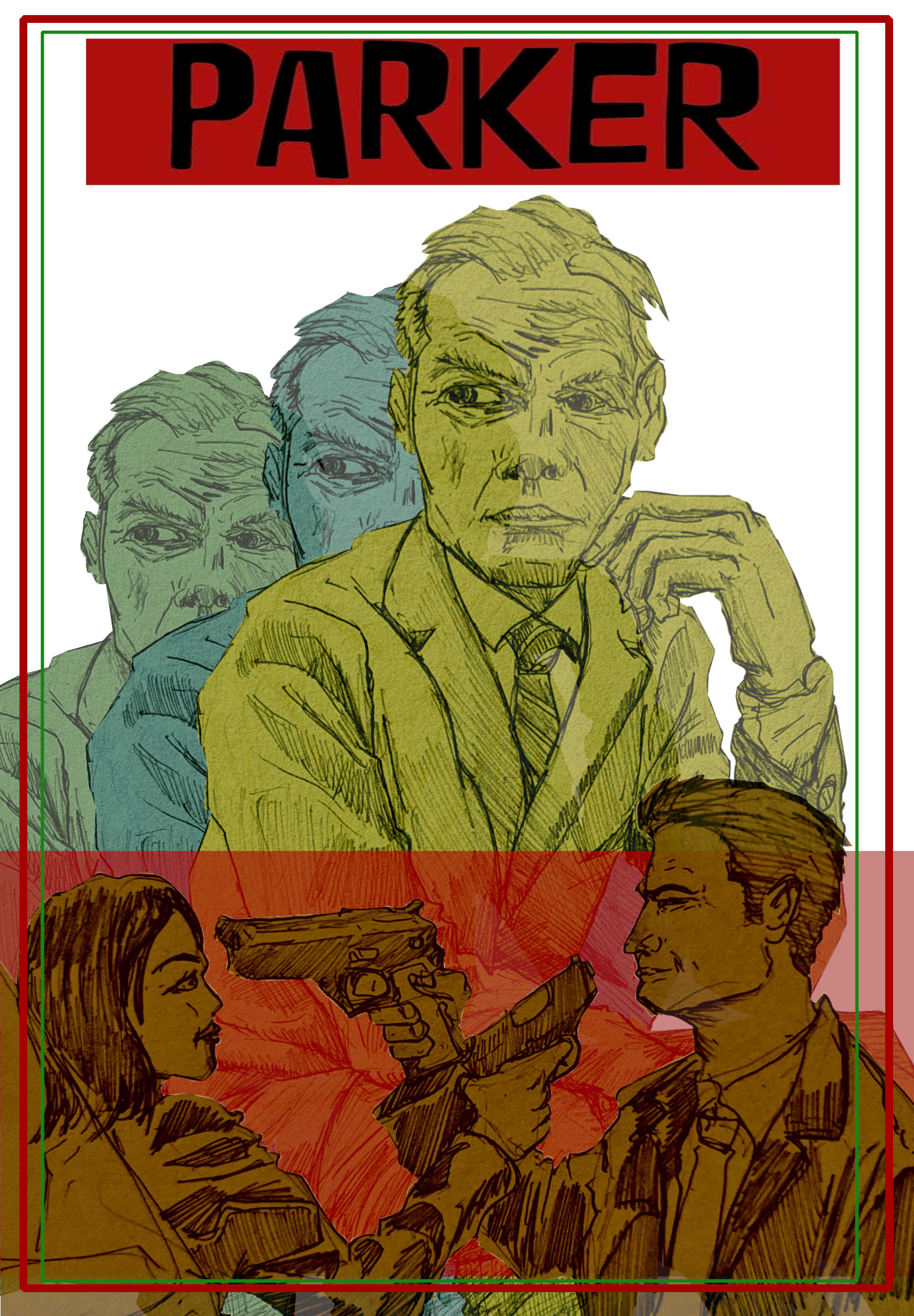
On the blog today we are talking about Parker. What is his first name? Hell if I know. It does not get mentioned at all in the book I just read, The Hunter by Richard Stark (aka Donald Westlake). His first name did not get mentioned in the 1999 movie adaptation called Payback. The character was called Porter in the 1967 adaptation called Point Blank, also without mention of the first name. The question of his first name does get brought up by characters in all three renditions of the story. The only sobriquet he is given is his assumed last name.
There are over a dozen novels with Parker as the protagonist. Maybe it will get addressed later on in the series. The long and the short of who Parker is, is that he’s a skilled professional. His...

War... War Never Changes. Why Would Fallout?
2026-Feb-27
When you’re talking about Fallout, I suppose the game is what you ought to be talking about. That’s how it all started and I am confident it will continue in that form. Fallout may have started as a video game, but it has gotten bigger than just video games. Definitely bigger than PC-only turned-based RPGs.
Fallout has exploded out of the nerdy corners of PC gaming. Well, exploded might explain it’s more recent progress in the social zeitgeist. The first decade of Fallout was still a PC-nerd only affair. Now that we are almost up to the thirtieth anniversary of the first game’s release, there are now playlists on Spotify cataloging the music found in the games, and with some more added from around the same era of American pop music. Hot Topic has t-shirts with the retrofuturistic art or kitschy novelties that are replicas of in-game items. There is even a big-budget Fallout TV series now. I don’t know if it’s as popular as TV shows get, but it looks like it costs a lot of money to produce. I’ll assume a second expensive looking season and confirmation of a third means that it’s popular enough.
I’d like to say the reason why Fallout got so big could be answered simply because it was a fun game. All of them. All the ones I’ve played at least. The bare mechanics of the game are enveloping. Every way you play the game can be tweaked. Most every aspect of Fallout allowed every player to find their own style. Shoot your way through problems. Or blow them up....
Pentagon Fan Fiction
2026-Jan-25
Were there a Real-Time-Strategy game centered around the war in Vietnam (the 1960s span of it), I would imagine that the soundtrack would make use of the US pop/rock hits of that same era. You know… Vietnam War music. CCR (with overemphasis on Fortunate Son). Motown girls singing in harmony. Folk adjacent California hippie rock messing around with electric guitar noises. The main menu, pause menu, intro all seem ripe for the use of license 60’s rock’n’roll sounds. Or some facsimile if those can’t be had.
The only Vietnam era themed game I can think of (Battlefield Bad Company 2’s DLC), draped the game’s user interface with twangy Creedence sounds. The game was basically the same game as Bad Company 2, just with Vietnam War flourishes. It was still a multiplayer first person shooter of automatic rifles, grenades, tanks, and close air support, despite being set almost fifty years prior to the regular Bad Company 2. I suppose the music can be enough to make the player feel like there’s more to it than just a paint swap of the regular Bad Company 2 set in the modern era of warfare.
Oh wait. I have planted a ‘Nam game. I played Rising Storm 2 over a free weekend on Steam! It was an online team shooter set in the Vietnam era! I do not think it had the budget for the song rights to rock/pop hits of the 60s and 70s. Those developers did not have EA Games type money to throw around. That game approached the authenticity of the war by making the game rules more...