Fred and Loathing on The Internet
Welcome to the public web log of Fred Lambuth
Popular Tracks from 2026-03-28
Richard Stark Naked Noir
2026-Mar-28
The threat of a self-imposed deadline has crept upon us again. Earlier in the month I was flush with ideas for blog posts. New games, new books, new TV series. So many new pieces of media to talk about, with the trademark sloppy panache this blog is known for. Even with such a wide plethora of blogworthy items to choose from, none can overcome good ol’ fashioned procrastination. Procrastination is a specialty among the staff at fredlambuth.com. And this “at least one blog post a month” is not a rule written on a stone tablet handed down from the gods. It’s just some thought I had when I was writing the front-end stuff for the blog navigation menu. Anyway, here’s a blog post squeezed into the last few days of the month.
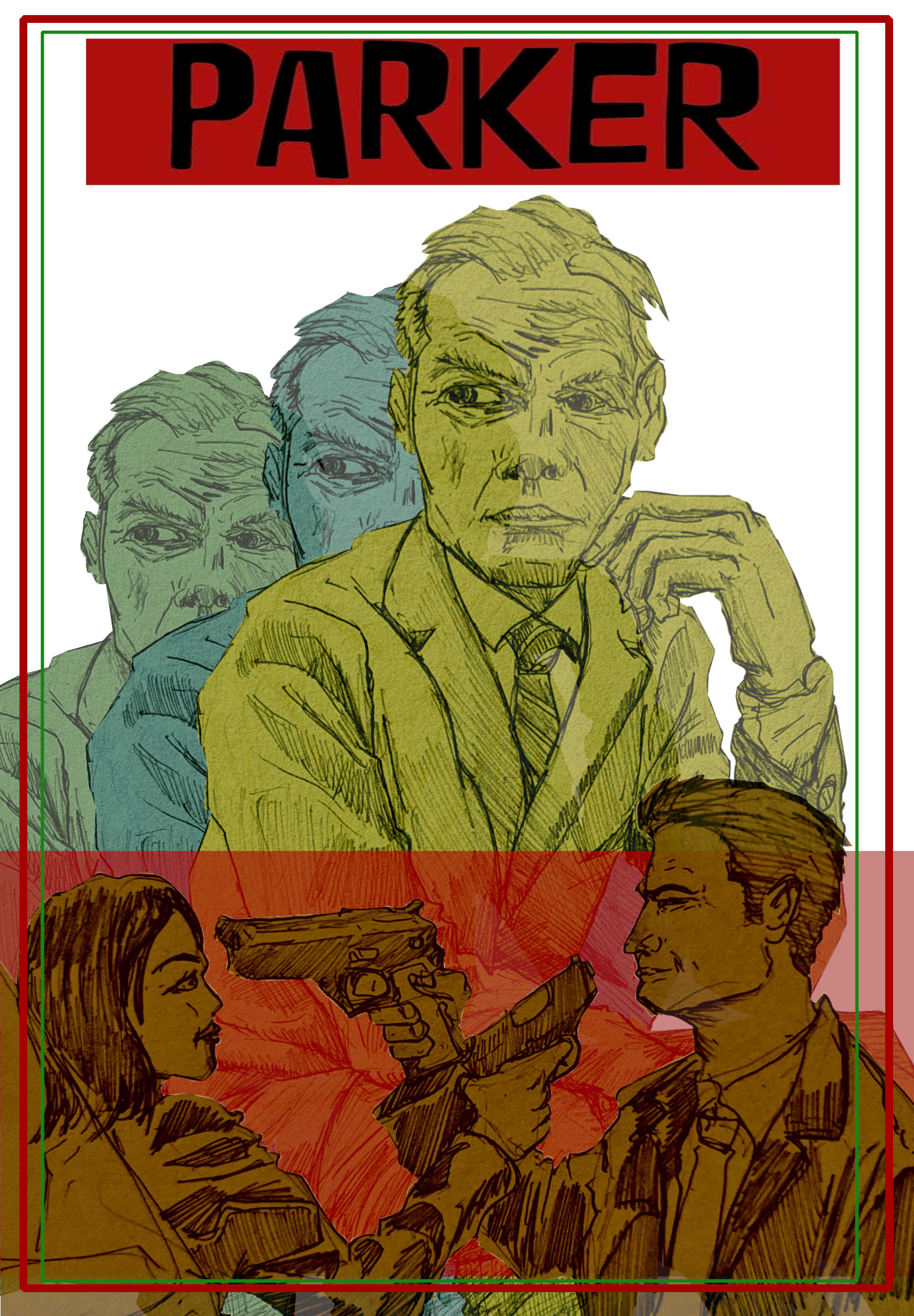
On the blog today we are talking about Parker. What is his first name? Hell if I know. It does not get mentioned at all in the book I just read, The Hunter by Richard Stark (aka Donald Westlake). His first name did not get mentioned in the 1999 movie adaptation called Payback. The character was called Porter in the 1967 adaptation called Point Blank, also without mention of the first name. The question of his first name does get brought up by characters in all three renditions of the story. The only sobriquet he is given is his assumed last name.
There are over a dozen novels with Parker as the protagonist. Maybe it will get addressed later on in the series. The long and the short of who Parker is, is that he’s a skilled professional. His profession is crime. Mostly robbing, and usually robbing other criminals. Several other crimes often come along with his object of making a big score, including murder. And not just other criminals, but sometimes an innocent bystander. This Parker is quite the cold hearted type.
The book The Hunter was a very breezy read. A slim 150 or so pages, with widely spaced type. Finished it in the span of one morning. I enjoyed the novel enough that I delighted in moving through the pages quickly. This was no chore, despite already seeing the two movie adaptations that followed the book close enough so that I already knew the outcome of all the plot points. Maybe there will be another Parker book to be discussed on the blog in the future. I’d like to see what more violent hijinks he could get up to, especially after making so many enemies in his first appearance.
This Parker character is a real bastard. There is not much to like about him except for his keen instincts that he applies shrewdly to get his money. Stark/Westlake does explain the inner workings of his mind. Not the reasons why he thinks, just the movement of his thoughts. Even so, I found his sordid adventures to be exciting. I really like stories about people who are really good at their job. But not too good. Then they become bearers of plot armour, protecting them from their poorly made decisions.
It has been said quite a few times here on the blog, so I’ll say it again: I really love noir stories. The more hard-boiled, the better. Even to the point of parody. Like those James Ellroy novels I had mentioned here before. Or the 100 Bullets comic books series created by writer Brian Azzarello and artist Eduardo Risso. Both of those are overripe with the hardboiled aspects of noir writing. Those two examples boil over into ridiculousness. The body counts in those stories stack up into the hundreds. The characters are hardasses with no time for love, or really any emotion except for revenge. What little human feelings they show is done by themselves in the dark, with a whiskey bottle to keep them company. The Hunter skirts that line of ultra-noir before becoming a brazen step too far.
I have the feeling that Ellroy and Azzarello had read The Hunter, or some of the Parker novels. This book has the noir elements each would love to toy with in their work. Having protagonists that are ultra-stoic piles of violent concrete is not what gives me the feeling those authors read this book and really like it. That sort of stuff is a dime a dozen in the pulp novels. The element of The Hunter that leaps out as a less common noir idea that gets used later in 100 Bullets and the Ellroy novels set outside of the Los Angeles area is Parker’s antagonist: The Syndicate. Sometimes known as The Outfit.
What that bland yet ominous term means in The Hunter is a criminal organization that is so large that it has to have a legitimate front in order to exist. A group that has so much income that it cannot use it without a government body taking interest into its origin. A sprawling body of criminals that is so big that one novel, movie or several issues of a comic book series are not large enough to give the audience the gist of what they are about. An organization that aims to keep themselves secret from the straight-and-narrow world of taxpaying citizens going about their day; commuting through traffic to their 9-5 day jobs and coming home to a predictable existence.
As far as I can remember, James Ellroy did not give an official name to this group of criminal elites. In his Underworld USA Trilogy books, there is a group that is able to make politicians up to, and possibly including the office of the President, pawns to their schemes. Among this group are so many employees that revel in their participation in this stygian system. One that lives side by side with the real world that all us stooges think of as the truth. A system that causes the events that get published in newspapers, with the underworld players knowing the reason why events happened.
100 Bullets takes this idea a step further by claiming the United States of America from its founding was the creation of criminal families working together to grab the North American continent before the official colonizing efforts of the European kings could take hold. 100 Bullets also is written as if all the important characters themselves are each a replica of Parker. They’re all superbly skilled criminals with zero remorse for their actions. That idea sounds nifty, and looks cool as hell with Edward Johnson’s page dark page layouts. A syndicate of nothing but Parkers does not seem reasonable enough to me to hold the series together.
The idea that what unfolds before the eyes of the slackjawed uninformed masses is not the solid truth, and that criminal conspiracies working behind the scenes are the reason why so many historic events happen is a wild idea I just can not get enough of in my media consumption. Then again, just who wouldn’t be fascinated by this idea? It brings order to the chaos of the world before our eyes. I suppose people who are of the more ‘conservative’ political persuasion take to this idea more than most when it comes to the real world. I figure they believe everything happens for a reason, and when it doesn’t they seek out a hidden cause.
Personally I do not want to chase down those ideas in the real world. Besides, even if any syndicate was out there pulling the strings, they would not be that good if some schmuck like me knows full well who they are and what they are doing. Conspiracies I find most enjoyable are fictitious ones. In the realm of fiction they can go over into sensationalism instead of the likely truth of how boring a real syndicate would be. A union of criminal bankers and accountants moving numbers around on a ledger. The muscle in large industries would not have as much worth as the bean counters, no matter how cool it looks in the movies.
Noir without that touch of conspiracy often to me comes as lacking. Or possibly not meeting my definition of noir. Stories of the regular folk getting pulled into illegality without bumping into the unseen world of organized crime sounds to me just like a story of passion. Leave that sort of stuff to the well reviewed literature. I’m more interested in genre pieces.
Noir, to me, needs a living breathing hidden underworld that has to be found by people not playing the game. It does not have to be an organization that reaches across the continent. A local prostitution ring will do the trick. Any sort of lasting secret enterprise where people can come to exercise their vices. To me, that’s all you need to get the ball rolling for a noir story. The characters can all be people in on the game, or can introduce normal citizens into the ugly truth going on underneath their fair society. Essentially what you need is a depiction of human sleaze working in lockstep with the surface world.
Before I finish this blog post off, I guess I ought to add that I enjoyed both Point Blank and Payback for different reasons. Point Blank toyed more with the idea of just how powerful The Syndicate was, while I feel Payback did a better job of filling up the story of a wide network of sordid noir characters. Payback had their syndicate as a standard gang of criminals with a few trappings of legitimate leadership. Point Bank was a bit more mysterious, with Porter/Parker being part of a much larger but unseen game than just his armed robbery jobs.
Also the promotional material for Point Blank is much more memorable. So memorable that I can see its obvious influence on the covers of 100 Bullets, the work of Jim Steranko in Nick Fury: Agent of Shield, and a lot of Italian movies.
Add Comment